
Pickleball's rules are simple enough to learn in one game, but the details around the non-volley zone and serving trip up a lot of new players. Here's the full picture.
The court
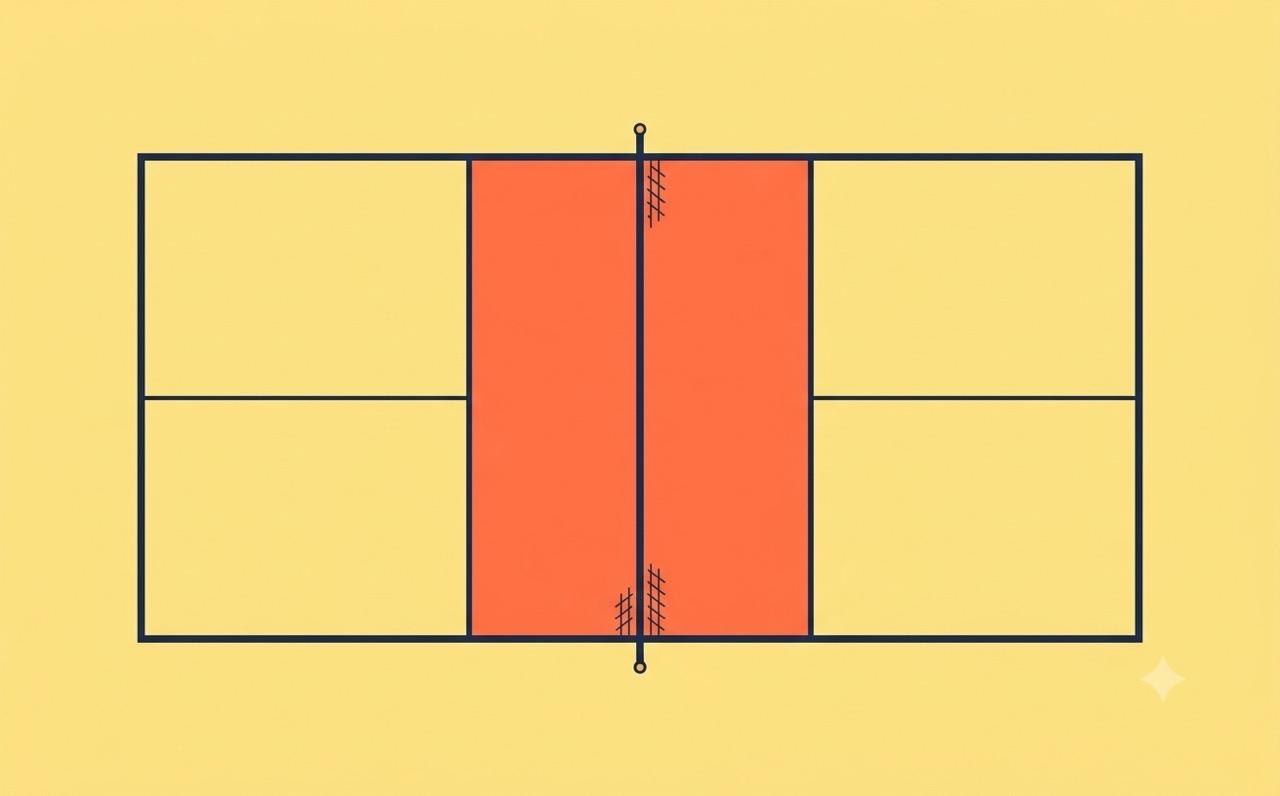
A pickleball court is 20 feet wide by 44 feet long — the same size for both singles and doubles play, which is unusual compared to tennis. The net sits at 36 inches high at the sidelines and 34 inches at the center.
Seven feet out from the net on each side is the non-volley zone, commonly called "the kitchen." This zone, plus the lines marking it, is where the sport's signature rule lives.
If you're setting up a home or driveway court, a portable net system with regulation height and court-line markings makes it much easier to practice the positioning rules below correctly instead of guessing at distances.
Serving
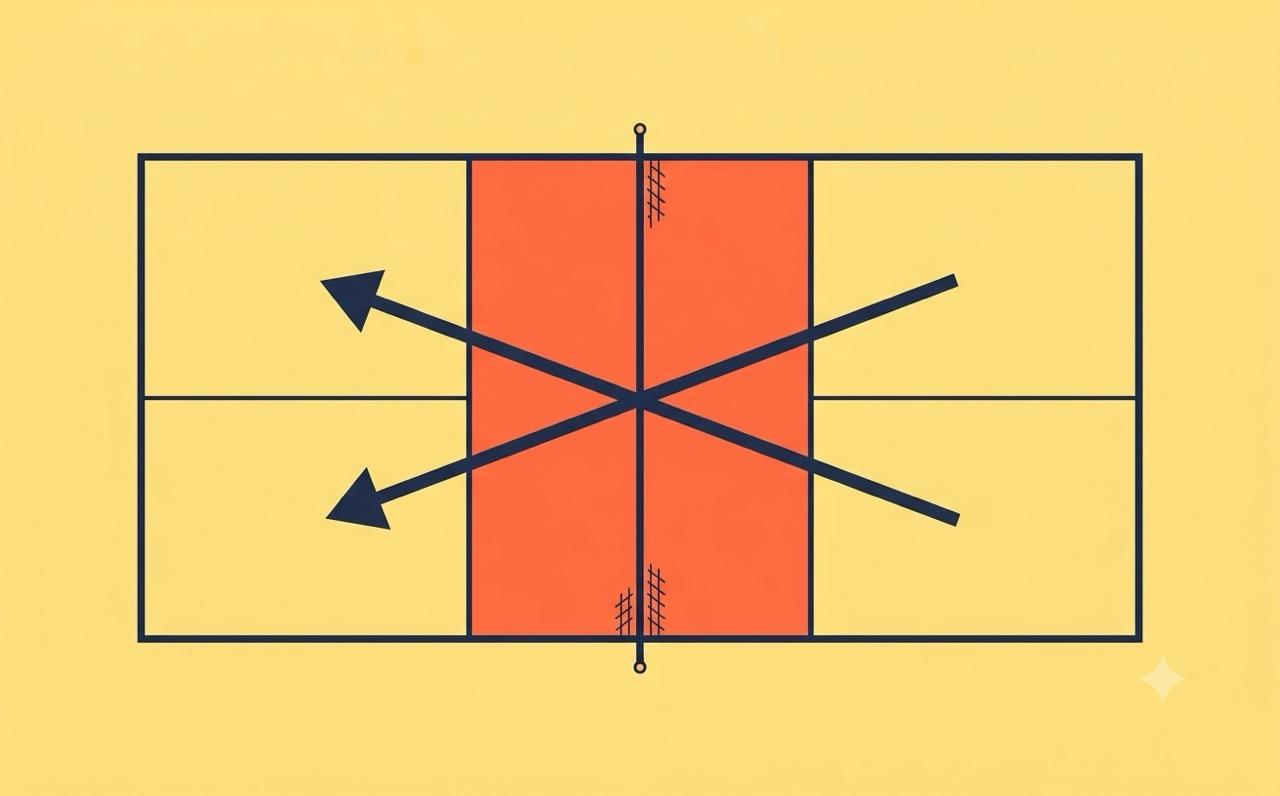
- Serves are hit underhand, below waist height, with the paddle head below the wrist at contact.
- Serves must be hit diagonally crosscourt into the opponent's service box, clearing the non-volley zone entirely.
- You get one serve attempt per service turn (no second serve like tennis), except in the case of a let/service fault review.
- Modern rules also allow a drop serve — dropping the ball and hitting it after it bounces — as an alternative to the traditional volley serve. It's a legal option if the low, precise volley serve feels difficult while you're learning.
Scoring
Traditional pickleball uses side-out scoring:
- Only the serving side can score a point.
- If the serving side loses the rally, service passes to the other side (in doubles, first to the partner, then to the opponent) without a point being scored — this is called a "side out."
- Games are typically played to 11 points, win by 2. Tournament formats sometimes use 15 or 21, but 11 is standard for recreational and most competitive club play.
- In doubles, both partners typically get a chance to serve before the serve passes to the other team — except for the very first service sequence of the game, when only one partner serves before the first side-out.
Some leagues and formats use rally scoring instead (a point is scored on every rally regardless of who served), often to keep match times predictable. If you're playing in an organized league, confirm which scoring system is in use before you start.
The double-bounce rule
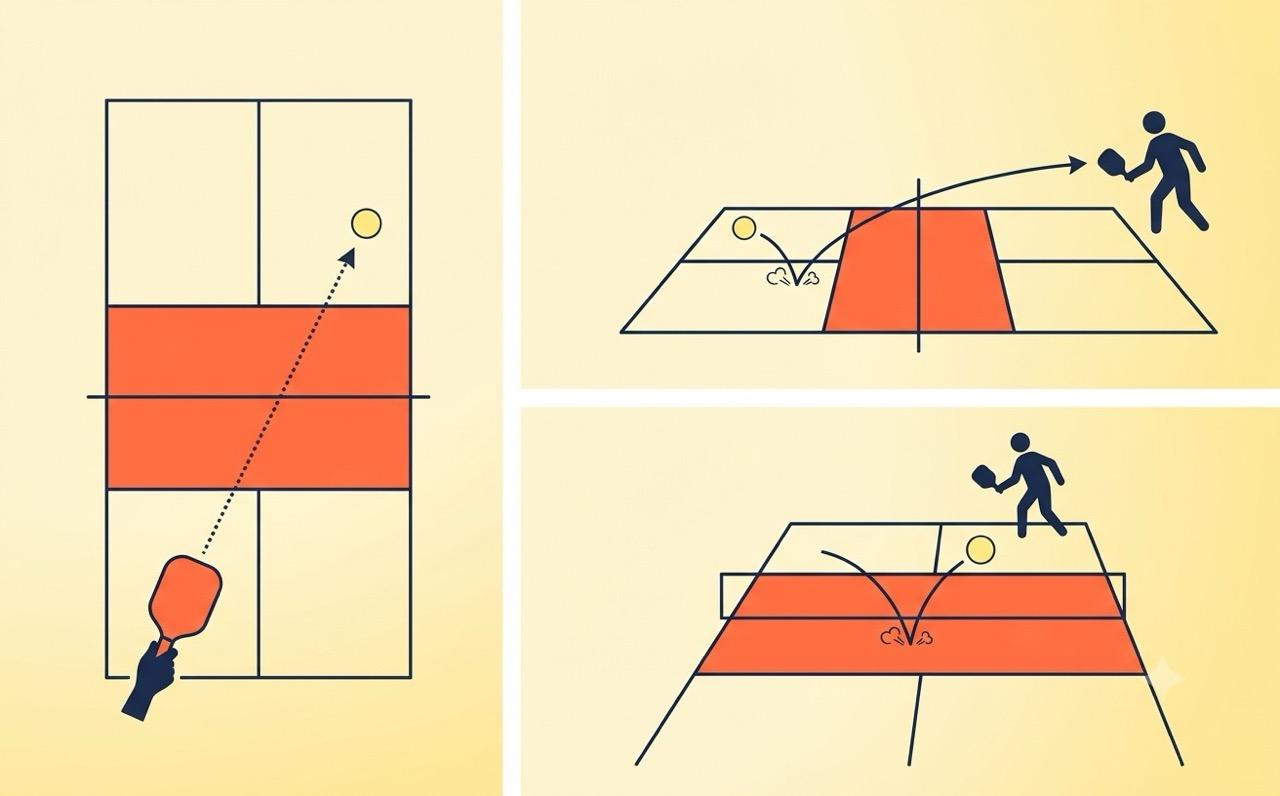
This is the rule that most separates pickleball from tennis or badminton, and it's the reason the sport rewards patience over pure power:
- The serve must bounce once before the receiving side returns it.
- The receiving side's return must also bounce once before the serving side can hit it.
- After those two mandatory bounces, either side may choose to volley (hit the ball out of the air) or let it bounce again.
This is why rallies often settle into a "dink" pattern near the net — once the double bounce requirement is satisfied, both sides fight to control the non-volley zone.
The non-volley zone (kitchen) rule
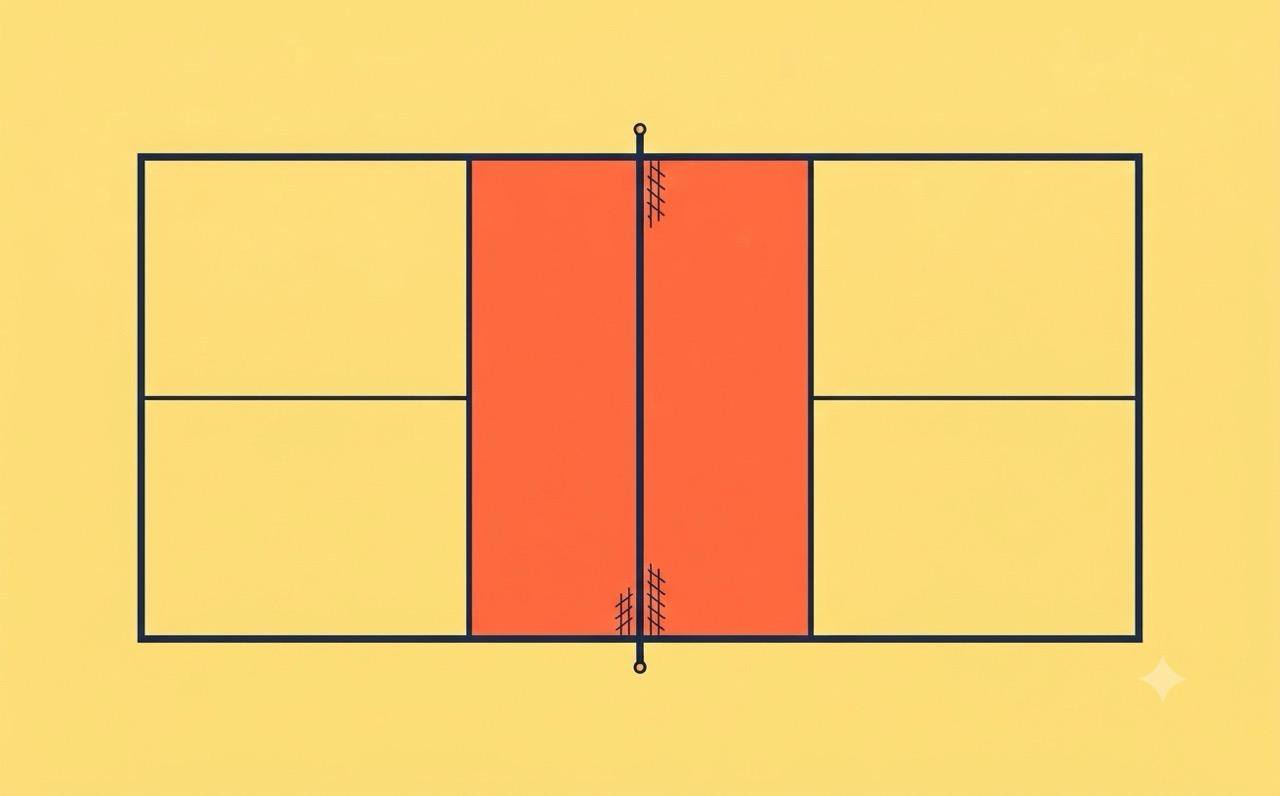
You may not volley a ball while standing in the non-volley zone, and that includes stepping on the line itself. A few important details:
- You can enter the kitchen to play a ball that has already bounced.
- You cannot volley the ball and then have your momentum carry you (or your paddle) into the kitchen — if any part of you touches the zone or its line during or immediately after the volley, it's a fault.
- Paddle contact with the zone counts too, even if your feet never touch it.
Common faults
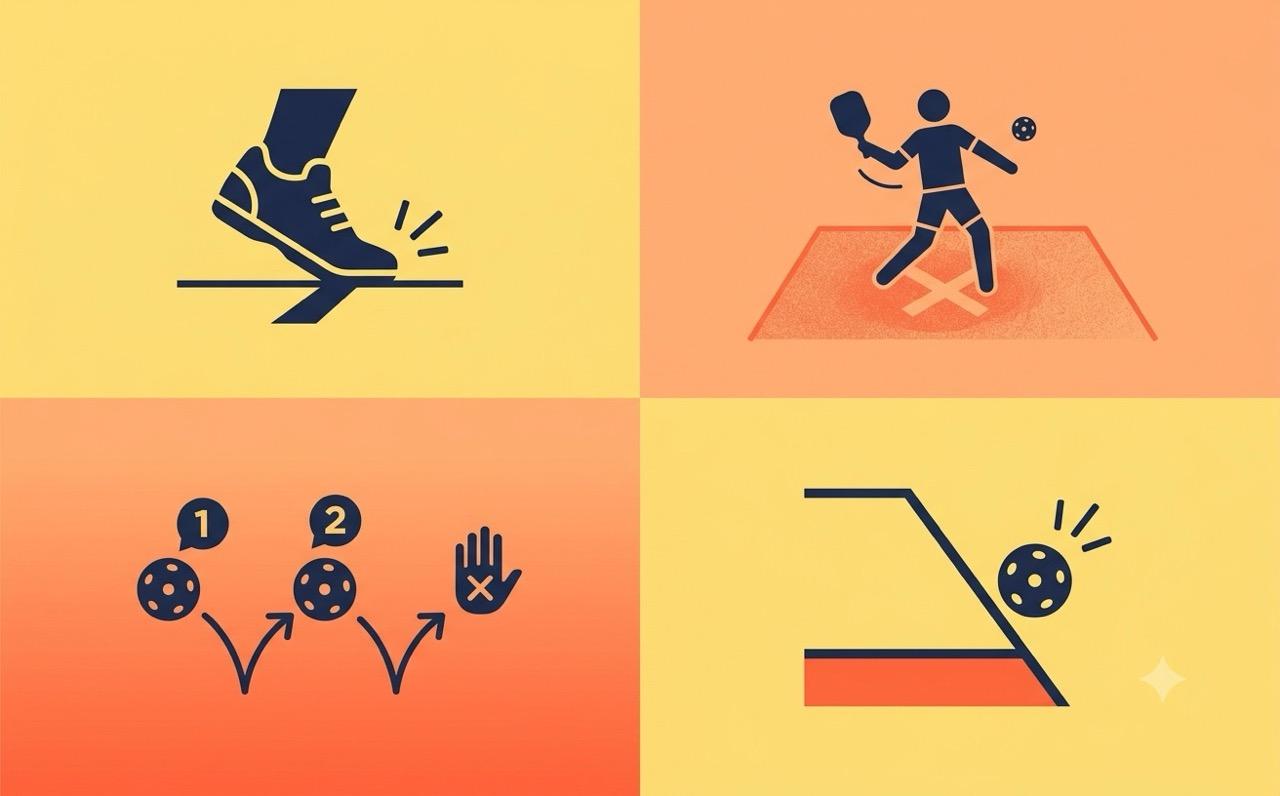
A rally ends in a fault (point or side-out, depending on who's serving) when:
- The ball goes out of bounds or into the net without clearing it.
- A player volleys from inside the non-volley zone.
- The ball bounces twice on one side before being returned.
- A serve doesn't clear the non-volley zone or lands outside the correct service box.
- A player's paddle or body touches the net during a live rally.
Singles vs. doubles
Doubles is by far the more common format, but singles is played the same court and net dimensions, with the server serving from alternating sides based on their score (even score serves from the right/even side, odd score serves from the left/odd side) — the same positional logic doubles teams use.
Getting your gear right matters more than you'd think
Ball choice affects how the rules "feel" in practice — an outdoor ball like the Franklin X-40 flies differently in wind and bounces harder off asphalt than an indoor ball does on a gym floor, which changes how aggressively you can safely play near the baseline. If you're just learning positioning and the double-bounce rule, practicing with the correct ball for your court surface will make the rules click faster.
Bottom line
Learn these five things and you can play immediately: court is 20x44 with a 7-foot kitchen, serves are underhand and diagonal, both sides must let the ball bounce once before volleying, you can never volley from inside the kitchen, and games go to 11, win by 2, with only the serving side scoring.